Emergency Plumbing

24/7 Emergency Plumbing Services in Simcoe County

24/7 Emergency Plumbing Services Available in Alliston, Innisfil, Tottenham, Barrie & Simcoe County Areas


24/7 Emergency Plumbing Services in Simcoe County

Fast, Professional Help for Alliston, Innisfil, Tottenham, Barrie & Surrounding Areas

Plumbing disasters won’t wait—neither should you. Whether it’s a burst pipe at midnight, a flooded basement during a Simcoe County storm, or a failed sump pump on a cold winter night, PHD Plumbing, Heating, and Drain is here 24/7 to restore your comfort and protect your property.

Call us now at 705-627-5725 for immediate assistance.

Why Choose PHD Plumbing for Emergency Plumbing?

24/7 Availability
We’re here for you any time, day or night.

Licensed Experts
Our plumbers are experienced in handling all types of emergencies.

Quick Response Times
We’ll dispatch a plumber to your location as soon as possible.

Reliable Solutions
We diagnose and fix the problem right the first time.


Common Plumbing Emergencies We Handle

1. Broken or Damaged Water Pipes

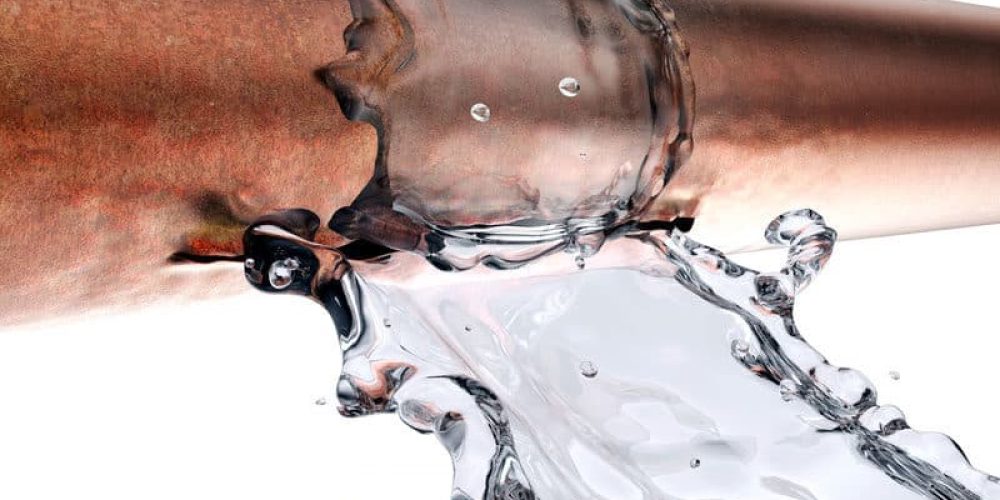
Burst or leaking pipes can cause significant property damage. Our plumbers are equipped to repair or replace damaged water lines quickly to prevent further issues. When water is pouring from a burst pipe, every second counts—don’t hesitate to reach out immediately to minimize water damage and costly repairs.


2. Clogged Sinks and Drains

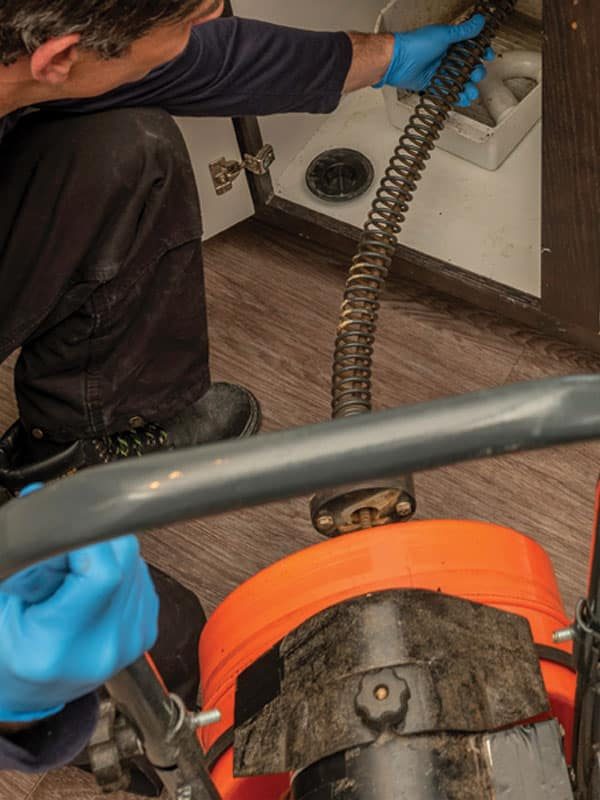
A minor clog may be manageable, but severe blockages can bring your household or business operations to a halt. We’ll clear your drains effectively and restore water flow.

Clogs can be caused by grease, food particles, hair, and soap scum. When water starts to back up or overflow, it’s time to get professional help before the situation worsens.

What Causes Clogged Sinks and Toilets?

Clogs can develop in household plumbing for a variety of reasons. The most common culprits include:

  • Grease and Food Waste: Pouring fats, oils, or leftover food down the kitchen sink often leads to sticky blockages.
  • Hair and Soap Scum: Bathroom drains are notorious for collecting hair and soap residue, which gradually restrict water flow.
  • Foreign Objects: Everyday items like paper towels, wipes, and small toys can accidentally end up in toilets or drains, causing sudden blockages.
  • Excessive Toilet Paper: Using more toilet paper than your system can handle is a frequent cause of toilet clogs.
  • Mineral Buildup: Hard water can deposit minerals inside pipes over time, narrowing passages and increasing the risk of clogs.

By recognizing these common causes, you can take steps to prevent sudden plumbing headaches—or know exactly when it’s time to call in the professionals.


3. Blocked Toilets

A clogged toilet that overflows can lead to water damage and unsanitary conditions. Don’t wait—call us for immediate assistance.

Rising water levels or persistent blockages are a sure sign it’s time to involve a plumber, especially if the issue starts affecting multiple fixtures in your home.


4. Non-Functional Water Heaters

Losing hot water is inconvenient, especially during winter. Whether it’s a repair or replacement, our water heater specialists will ensure you’re back to comfort in no time.

A sudden lack of hot water could point to electrical issues, a malfunctioning heater, or even a hidden plumbing leak—each of which deserves rapid attention.


5. Backed-Up Main Drains

A sewage backup is more than an inconvenience—it’s a health hazard. Our team will address the blockage and restore proper drainage quickly.

If you notice foul odors, multiple slow drains, or water coming up in unexpected places like your bathtub or basement, these are red flags that need urgent resolution.


6. Sump Pump Failures

A failed sump pump during a storm can lead to flooding in your basement or crawlspace. We repair and replace sump pumps to protect your home from water damage.

If your sump pump stops working or you hear unusual noises, acting fast can prevent extensive water intrusion and property loss.

Top Residential Plumbing Code Violations

Understanding the most frequent plumbing code violations can help you avoid costly repairs and ensure your home remains safe and up to standard. At PHD Plumbing, we often encounter the following issues in homes throughout Alliston, Innisfil, Tottenham, Barrie, and Simcoe County:

  • Improper Slope for Drain Pipes
    Pipes need the correct angle to allow wastewater to flow efficiently. Too little slope can cause debris to settle and create blockages, while too much can cause water to flow too quickly, leaving solids behind.

  • Missing or Inadequate Venting
    Every fixture requires proper venting to prevent sewer gases from entering your home and to maintain consistent water pressure. Poor venting is a common mistake, especially in older renovations.

  • Incorrect Pipe Materials or Connections
    Mixing incompatible piping materials, like connecting copper directly to galvanized steel without the right fittings, can cause corrosion and leaks over time.

  • Lack of Backflow Prevention Devices
    Backflow preventers are essential to stop contaminated water from reversing into clean water lines. Omitting these devices is not only a violation, but a health risk.

  • Unsupported or Poorly Secured Pipes
    Pipes should be securely fastened to prevent sagging, vibrations, and eventual leaks. Skimping on pipe supports is a shortcut that can lead to future issues.

  • Inadequate or Inaccessible Shut-Off Valves
    Every fixture should have an easy-to-access shut-off valve. Missing or hidden valves delay emergency response and violate building codes.

Our licensed plumbers thoroughly inspect every system to spot these and other code issues before they escalate…


Other Emergencies to Watch For

Sewer System Backups
Raw sewage backing up into your home is a serious emergency. Not only is it unsanitary, but it can also cause significant damage to floors and belongings.

Leaking Water Heaters
Even a slow leak from your water heater can quickly escalate to major water damage and higher utility bills.

No Hot Water at All
If you’re suddenly without hot water, it could be a sign of a burst pipe, a failing heater, or even an electrical issue—each requiring prompt diagnosis and repair.

No matter the plumbing emergency, our licensed professionals are ready to respond 24/7, ensuring your home or business is safe, sanitary, and back to normal as quickly as possible.


What to Do in a Plumbing Emergency

Turn Off the Water
Locate your home’s main water valve and shut it off to prevent further flooding or leaks. For smaller issues, such as a toilet overflow, you can usually find a shut-off valve right at the base or behind the fixture.


Turn Off the Power (if needed)
If water is near electrical outlets or devices, shut off the electricity to avoid hazards. Safety first—never risk electrical shock when water is involved.


Turn Off Your Water Heater
If a major plumbing emergency requires shutting off your home’s main water supply, it’s wise to also turn off your water heater. This helps prevent overheating or damage.

If you have a gas water heater, remember to turn off the gas supply first.

Dealing with Small Leaks Before Help Arrives

Even a slow drip can result in water damage if left unchecked. If you notice minor leaks while waiting for our team, here are some quick steps you can take:

  • Place a bucket, bowl, or any container you have handy under the leak to catch water and prevent it from spreading.
  • Wrap towels or old rags around the leaky pipe or fitting to absorb excess moisture.
  • If possible, use plumber’s tape or even duct tape as a temporary seal over minor cracks or seams.

Taking these steps will help minimize water damage until our licensed plumbers can arrive and make permanent repairs.


Prevent Future Plumbing Emergencies

While emergencies can’t always be avoided, regular maintenance can significantly reduce the risk of costly repairs.

Recommended preventative services:

  • Drain cleaning
  • Water heater inspections
  • Sump pump testing
  • Pipe inspections

Your Local Emergency Plumber in Simcoe County

At PHD Plumbing, Heating, and Drain, we’re proud to serve Alliston, Innisfil, Tottenham, Barrie, and surrounding towns in Simcoe County.

Whether it’s your home or business, we’re here to keep your plumbing running smoothly.


Contact Us for Immediate Assistance

Don’t let a plumbing emergency cause unnecessary stress or damage.

Call PHD Plumbing today at  705 627 5725  for fast, reliable service.
We’re here to resolve your plumbing problems—no matter the time or day.

Should I Tackle a Plumbing Problem Myself or Call a Pro?

It’s natural to wonder if you can manage a plumbing issue on your own, or if it’s time to call in the experts. For small concerns—like clearing a slow drain with a plunger or thawing a lightly frozen pipe—DIY fixes can often do the trick if you’re comfortable with basic home maintenance.

However, for anything more serious—think burst pipes, gas line leaks, sewer backups, or a failing sump pump—your best bet is to leave it to the professionals. Attempting complex repairs without the right training or tools can lead to bigger damage or even safety hazards.

When in doubt, it’s always safer and more cost-effective to reach out to a licensed emergency plumber right away. We’re just a call away and ready to help when things take a turn for the worse.

How to Schedule Emergency Plumbing Services

If you’re facing a plumbing emergency and need help fast, our scheduling process is quick and straightforward. Here’s what you can expect:

  1. Call Us Anytime: Reach out to our emergency line at 705-627-5725, available 24/7. Whether it’s a burst pipe at midnight or a blocked drain before work, we’re always here to take your call.
  2. Immediate Response: Our friendly representative will gather key details about your situation—such as your location, the nature of the emergency, and any immediate safety concerns.
  3. Rapid Dispatch: We’ll quickly dispatch a licensed, insured plumber to your address—often within the hour—so you’re not left waiting while water damage or hazards escalate.
  4. Confirmation and Updates: You’ll receive confirmation of your service request. If you prefer, you can also schedule a callback for non-urgent questions or maintenance needs.

If you fill out an online service request, we’ll respond as quickly as possible to confirm your appointment and send a technician. For urgent needs, calling ensures you receive the fastest assistance.

Rest assured, our team prioritizes emergency calls so you can get back to normal—with your plumbing restored and your home protected.

No Surprise Overtime Charges—Transparent, Upfront Pricing

Worried that emergency plumbing might come with hidden overtime fees? Rest easy. At PHD Plumbing, we believe in clear, honest pricing—no last-minute add-ons or overtime surcharges. When you need help most, you’ll know exactly what to expect, right from the start. Focus on resolving your plumbing issue—not your invoice.

Understanding Plumbing Inspection and Repair Costs

Plumbing emergencies are stressful enough without added worries about unpredictable costs. Whether you’re dealing with a burst pipe, a routine inspection, or a stubborn leak, it’s helpful to understand what factors go into pricing—so you can make informed decisions and avoid unwelcome surprises.

What Influences Plumbing Costs?

Several key elements affect the total cost of plumbing inspections and repairs:

  • Type of Service Needed: Simple tasks like drain cleaning or faucet repair are generally less costly than major pipe replacements or addressing sewage backups.
  • Labor and Time: Emergency calls or after-hours services often have higher rates. The complexity and duration of the job also play a role—quick fixes cost less than jobs requiring extensive diagnostics or access behind walls.
  • Parts and Materials: The need for new pipes, fittings, valves, or specialty equipment can add to your final bill. Quality components from trusted manufacturers (like Moen, Kohler, or Delta) may increase material costs but offer greater reliability.
  • Inspection Fees: A thorough plumbing inspection, which may include camera diagnostics and pressure testing, typically carries a set fee. Some companies apply this fee toward any follow-up repairs, while others treat it as a separate charge.
  • Property Type and Location: Commercial properties or older homes may present more challenging repairs, impacting the price. Travel time and accessibility (for example, a crawlspace vs. A finished basement) also influence costs.

Rough Price Ranges

  • Basic Inspection: $100–$300, depending on home size and required diagnostic tools.
  • Minor Repairs (leaky faucets, clogged drains): $100–$350, including labor and basic materials.
  • Major Repairs (burst pipes, water heater replacement): $500–$2,000+, depending on complexity and materials needed.
  • Emergency Services: Expect a premium, often an extra $100–$300 for rapid, off-hours responses.

Remember, preventative inspections are a wise investment compared to the expense of emergency repairs after significant damage. At PHD Plumbing, we’re committed to providing clear, upfront estimates—no hidden surprises—so you know exactly what to expect before any work begins.

What Customers Are Saying About Emergency Plumbing Services

When an emergency strikes, you want the confidence that comes from working with professionals who truly care. Local homeowners and businesses in Simcoe County consistently praise the dedication, reliability, and expertise they experience when calling for emergency plumbing help.

Here’s what sets trusted plumbers apart, as reflected in customer feedback:

  • Prompt Arrival and Professionalism: Clients appreciate technicians who arrive on time, prepared for any situation—ready to assess and resolve issues efficiently, often exceeding expectations.
  • Transparent and Honest Service: Many note that upfront estimates and clear communication ensure there are no surprises when the job is done. The final cost matches what was quoted, and customers are kept informed every step of the way.
  • Expert Solutions and Helpful Advice: Whether it’s a routine fix or a complex repair, experienced plumbers offer knowledgeable guidance for both immediate solutions and preventative options for the future.
  • Respect for Your Property: Reviewers often mention the care taken to protect flooring, walls, and landscaping, even during large projects like sewer connections or excavations.
  • Polite, Courteous Technicians: Friendly service and a willingness to go above and beyond—even offering tips and recommendations—leave a lasting positive impression.

These testimonials reinforce the importance of choosing a plumbing team known for their reliability, skill, and customer-first attitude, especially when seconds count during an emergency. When you call a local pro with a track record of satisfied clients, you’re not just getting a quick fix—you’re gaining peace of mind.

How to Drain Your Hot Water Heater Tank

Regularly draining your hot water heater tank is a simple way to prolong its lifespan and help prevent sediment buildup. Here’s a step-by-step guide to help you do it safely and effectively:

  1. Turn Off Power or Gas
    For electric heaters, switch off the power at your breaker panel. For gas heaters, set the thermostat to “pilot” to turn off the burner.

  2. Shut Off the Cold Water Supply
    Locate the cold water valve at the top of your water heater and turn it off. This stops more water from entering while you work.

  3. Let the Water Cool
    Hot water can cause burns. Give the tank at least an hour to cool if it’s recently been used.

  4. Connect a Hose to the Drain Valve
    Find the drain valve near the bottom of your tank and attach a standard garden hose. Place the other end of the hose in a floor drain, large bucket, or direct it outside—just be sure it’s draining somewhere safe.

  5. Open a Hot Water Tap
    To avoid a vacuum in your pipes, turn on the hot water tap at a nearby sink or tub. This allows air to flow into the system.

  6. Open the Drain Valve
    Carefully open the drain valve to let the water flow out. If sediment is blocking the flow, briefly turn the cold water supply on and off to stir up debris.

  7. Flush and Finish Up
    Once the tank is empty, you can flush any remaining sediment by briefly turning on the cold water. When water runs clear, close the drain valve.

  8. Restore Normal Operation
    Close the drain valve, remove the hose, and turn off the faucet you’d opened. Turn the water supply back on and, when the tank is full, restore power or relight your gas burner.

Regular maintenance like this can help keep your water heater running efficiently. If you’re unsure or encounter any issues, don’t hesitate to give us a call for professional help.

How to Clean a Stinky Drain

A foul odor wafting from your kitchen or bathroom drain can make your whole space feel less inviting. The good news? Most smelly drains are easy to freshen up with just a bit of care and a few common household items. Here’s a step-by-step approach to banishing those unpleasant smells:

Step 1: Flush with Hot Water

Start by running hot—but not boiling—water down the drain for a minute or two. This helps loosen any grime or soap scum that could be clinging to the pipes.

Step 2: Baking Soda and Vinegar Method

Next, sprinkle about half a cup of baking soda directly into the drain. Follow this with a cup of white vinegar. You’ll notice some fizzy bubbling as the natural reaction helps break down debris and neutralize odors. Let this mixture sit and do its work for about 10–15 minutes.

Step 3: Rinse Thoroughly

After the waiting period, flush the drain again with hot water for several minutes. This will wash away loosened particles and residue.

Step 4: Clean the Drain Stopper

If your sink has a removable stopper, pull it out and give it a good scrub with an old toothbrush and dish soap. Hair and grime can build up on these components and contribute to smells.

Step 5: Keep It Fresh

To prevent odors from returning:

  • Use a drain strainer to catch debris before it goes down the drain.
  • Avoid pouring grease, coffee grounds, or fibrous food scraps (like celery) into your sink.
  • Every week or so, repeat the baking soda and vinegar routine for regular maintenance.

If these steps don’t resolve the odor, you may have a deeper clog or buildup that requires professional attention. Don’t hesitate to reach out—we’re always here to help keep your home’s plumbing in top shape.


Services

The Best Plumbers & Plumbing Contractor in Alliston & Innisfil

We are professional Innisfil Plumbing and Drain Experts
Our team at PHD Plumbing, Heating and Drain are licensed and insured professionals that provides quality plumbing services within Beeton, Beeton, Everett, Lisle, Alliston, Innisfil, Barrie, Mulmur, New Tecumseth & Cookstown communities.

Shadow
Phone

Emergency Plumber Alliston & Innisfil

At PHD Plumbing, Heating and Drain, we understand emergencies can happen at any time of the day and for this reason we provide 24/7 emergency plumbing services to our community. Call us today at 705-627-5725.
Call Now